Back to the Block: Three DJs Playing the Rooms That Made Them
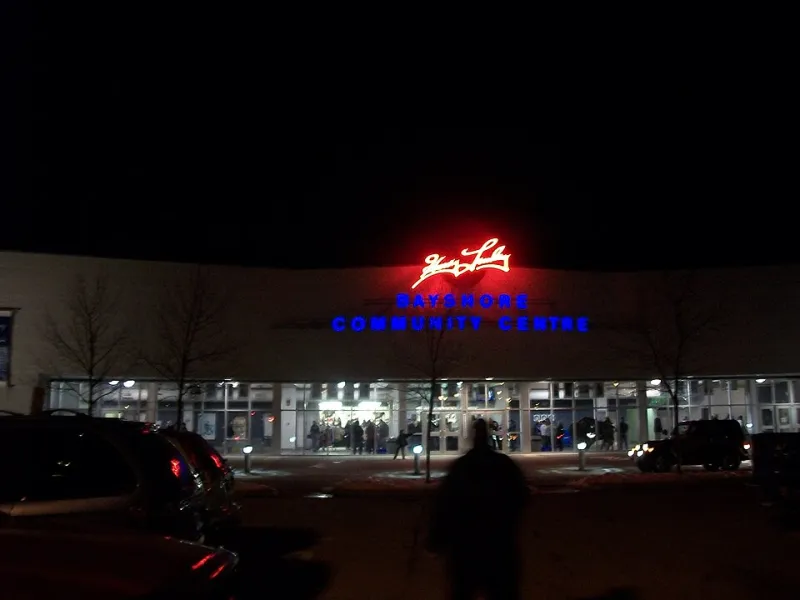
Photo: Jfvoll, CC BY-SA 4.0, via Wikimedia Commons
There's a particular kind of nerves you get playing a room you used to get chased out of. Ask any DJ who's done a homecoming set and they'll tell you — the estate gig hits different. The crowd knows your old nickname. Someone's mum is at the bar. And the bass has to be right, because half the people in there taught you what bass was in the first place.
We spent the last few months following three artists dragging their sound systems back to where it all began — a youth club in Luton, a community centre in Salford, and a church hall in Lewisham. What we found is a grassroots circuit that's still very much alive, even if nobody's writing about it.
The Youth Club That Never Closed
Marcus 'Dreadweight' Osei started his Luton night as a one-off for old mates. Then word got round. Now the youth club where he first heard jungle off a battered cassette player runs a monthly session, and the queue stretches down the car park.
"I learned everything here," he told us, leaning on the same pool table he used to hustle. "Not from some fancy academy. From an older cousin's box of dubplates and a bloke called Sparrow who let me touch his mixer for one record if I behaved."
That mentorship model — older heads passing down selector knowledge for free — is something you hear again and again on the grassroots circuit. There's no barrier to entry beyond respect for the music and turning up on time to help stack the speakers.
Postcodes With a Signature
Spend enough time listening and you can hear where a DJ is from. The Salford lot chop their breaks differently to the London crowd. The Welsh selectors lean into a certain sleaze. It's not mystical — it's just that sound travels through specific rooms, specific systems, specific mates.
Aisha Karim, who brought her night back to a Salford community centre she used to sneak into aged fifteen, puts it plainly: "The first system I ever heard had a buzz in the left stack. I've spent my whole career chasing that buzz. You can't replicate someone else's room. You can only rep yours."
And reps hers she does. Her homecoming set ran from early hardcore through to proper weighty dubstep, tuned for a floor that knew exactly when to skank and when to stand still and stare at the rig.
Why the Grassroots Circuit Still Matters in 2025
It's easy to assume everything happens in London warehouses now. It doesn't. The small rooms are where the culture keeps its pulse. Community centres charge a tenner, run on volunteers, and book acts two years before the festivals do.
There's a practical argument too. These are the spaces where kids first get near a mixer. Where a fourteen-year-old can hand a DJ a USB stick and get an honest answer. Where the door money actually goes back into the sound system instead of a booking agent's pocket.
The Full-Circle Feeling
Every artist we spoke to said the same thing about playing their old patch: it resets you. No rider demands, no VIP nonsense. Just a rig, a room full of faces you half-know, and the same low-end that raised you.
Dreadweight summed it up best as he packed down in Luton at 2am, half the crowd still helping coil cables. "Festivals pay better. But this? This is home advantage. And you never lose at home."
Keep an eye on the grassroots listings near you. The next big selector is probably stacking speakers in one right now.