Booth Rights: The Women and Non-Binary Producers Running UK Bass Right Now

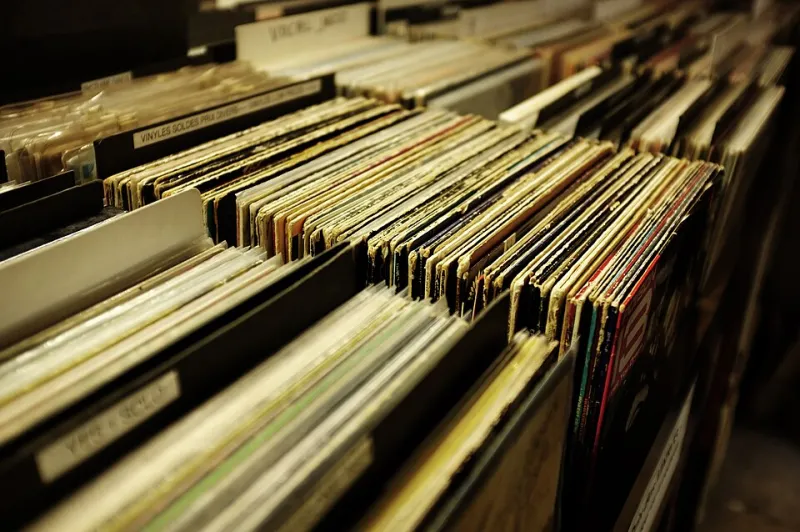
Photo: Djrink, CC BY-SA 4.0, via Wikimedia Commons
Let's be honest with ourselves for a minute. UK bass has never lacked for loudness — what it's sometimes lacked is range. Scroll through any major festival lineup from even five years ago and you'd be forgiven for thinking the scene was one long conveyor belt of lads in caps. Fast forward to now and something's shifted, properly shifted. The most forward-thinking production in bass music — the weird low-end, the breakbeat science, the dubplate culture — is increasingly coming from people who were told the booth wasn't for them.
We spent the last few months talking to six producers and selectors who are rewriting that script. Some run residencies, some run labels, all of them run things. Here's what they had to say — and what you should be spinning on your deck.
The Warehouse Graduate
Manchester's scene has a way of spitting people out fully formed, and few embody that like selectors who cut their teeth in the city's post-pandemic warehouse wave. The story repeats itself across the country: a cheap room, a borrowed soundsystem, a night built on instinct rather than budget. What marks these artists out isn't just technical ability — it's the willingness to programme a room like a narrative rather than a highlight reel. Slow builds, sudden drops, seven-inch dubs cut at home because the pressing plant queue was too long.
The through-line in every conversation we had? Community over clout. These are people who built their own infrastructure because nobody handed them any.
Studio Alchemists and the Sound of Now
The production side tells an equally interesting story. A generation of women and non-binary producers is treating bass music as a broad church rather than a formula — folding in jungle edits, dubby half-time, ballroom kicks and the kind of percussive detail you'd normally associate with footwork. The results don't always fit neatly into a Beatport genre tag, and that's precisely the point.
One producer told us she stopped chasing a "signature sound" and started chasing a feeling instead. Another described her studio as a lab: three months on a track, scrapping it, starting again. That patience shows. The records coming out of these rooms have a level of detail and emotional range that the scene's more cookie-cutter corners badly need.
The 45 Connection
You knew we'd get onto the vinyl eventually. What's striking is how central the seven-inch remains to this wave. There's a practical reason — 45s are cheap to press in small runs, perfect for dubplate culture and even better for the resale market — but there's a philosophical one too. The format rewards brevity and impact, two-to-three-minute statements rather than sprawling EPs. It suits producers who'd rather release four perfect tracks than twelve decent ones.
Several of the artists we spoke to press exclusively on 45 now. Others flip between formats depending on the project. Either way, the record box has become a calling card again — hand-stamped sleeves, hand-numbered runs, sold out in hours at the merch table before the set's even finished.
Five Things We Learned From the Conversations
- Access still isn't equal. Every artist mentioned the cost of entry — studio gear, pressing costs, PRS paperwork. DIY collectives and community studios remain the lifeline.
- Radio matters. Community stations up and down the country are still the fastest route from bedroom to booth. Shout out the local selectors holding it down on a Tuesday night.
- The margins are the engine. Innovation isn't coming from the top of the bill — it's coming from the 2am slot at a 200-cap room in Sheffield, Bristol, Glasgow, Leeds.
- Mentorship is quiet but real. No formal schemes, just DMs, file shares and "here's how I mixed that kick" voice notes.
- The appetite is there. Bookers are catching on, slowly. The next step is proper fees and proper billing, not just a diversity quote on the flyer.
Where This Goes Next
If there's one prediction worth making, it's this: within a couple of years, the conversation won't be about women in bass — it'll just be about bass, and these names will be sitting at the top of bills rather than buried in the small print. The talent is undeniable, the records are already there, and the crowds — younger, broader, hungrier than ever — are showing up.
The margins always move first. Right now, they're moving fast, they're moving loud, and they're pressing it on 45.
Get familiar before the rest of the scene catches up.