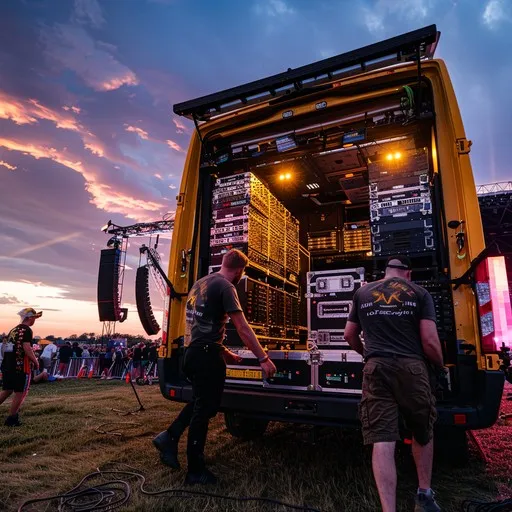
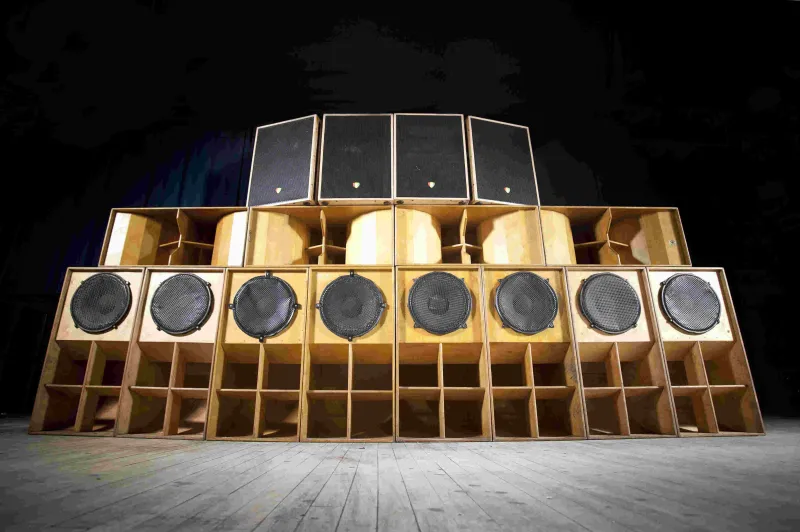
Cut for the Crowd: How Steppa45 Turned Dubplate Culture Into a Brand Built on the System
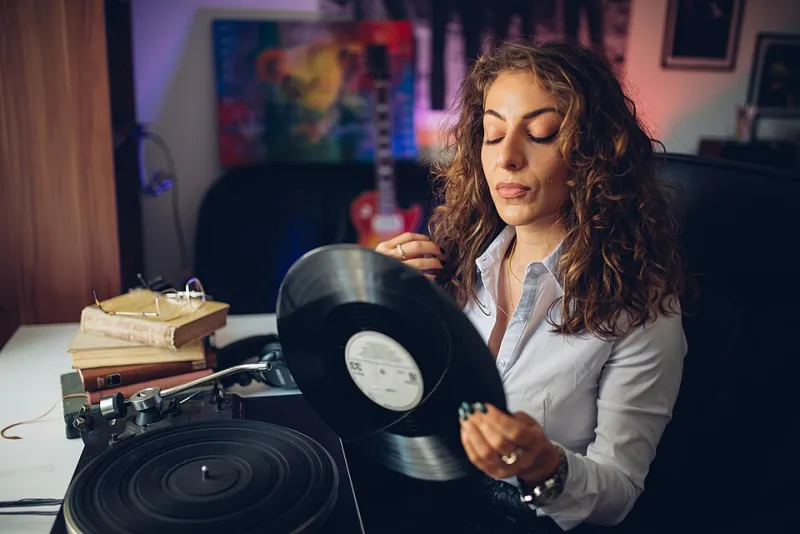
Photo: Shixart1985, CC BY 2.0, via Wikimedia Commons
The Plate Before the Profile
There's a certain type of artist who blows up because a TikTok did the heavy lifting. And then there's the other type — the one who built their name in a room so loud you couldn't hear your own thoughts, let alone your notifications. Steppa45 sits firmly in the second camp.
The name itself tells you everything. The 45 — the seven-inch single, spun at 45 RPM, the workhorse of sound system culture from Jamaican dancehalls to Notting Hill sound camps to every dedicated bass night from Bristol to Birmingham. Steppa45 didn't just pick a moniker; the whole brand is a love letter to the culture that raised it.
Dubplates as a Language
In sound system culture, the dubplate has always been currency. A special, cut exclusively for you, name-checking the selector, the system, the dance — that's respect you can't buy with a playlist placement. Steppa45 treated that tradition as gospel from day one.
Early sets weren't built around what was trending that week. They were built around what hit hardest on a stack. If a tune didn't move air the way it needed to on a proper rig, it didn't make the box. That discipline shaped everything that followed — the releases, the label nights, the way the brand talks to its audience.
"You learn quickly that a tune can sound massive on headphones and fall flat on a system," as the ethos goes. "The crowd doesn't lie. The system doesn't lie."
Brand Built Backwards
Most artists build a brand and then figure out the sound. Steppa45 did it the other way round. The sound came first — deep, weighty, rooted in the lineage of UK dub, jungle and bass music — and the brand grew organically out of it.
That means the merch doesn't feel like merchandise. The mixes don't feel like content. The club nights don't feel like events; they feel like dances, in the proper sense of the word. Everything points back to the same idea: the music and the system it's played on are inseparable.
It's a philosophy that's resonated far beyond the usual circles. While plenty of bass artists chase festival slots and sync deals, Steppa45's growth has come from the floor up — word of mouth from ravers who left a dance at 4am with their ribs still rattling.
The System-First Ethos
What does "system-first" actually mean in practice? A few things:
- Playing rooms that respect the rig. No PA-in-a-corner gigs. If the system isn't right, the set doesn't happen.
- Pressing and cutting physical. Dubplates, 7-inches, limited runs — music you can hold, weight you can feel.
- Championing the crew. Selectors, engineers, box builders — the people behind the stack get the same shine as the name on the flyer.
- Keeping the door open. New producers get plays, not gatekeeping. The culture only survives if the next wave gets a shot.
It's no coincidence that this approach lands right now. UK bass is in one of its healthiest spells in years, and the ravers coming through are hungry for something real — something that isn't mediated by a screen.
Why It Matters for UK Club Culture
Britain's club scene has taken hit after hit — closures, licensing pressure, rising costs. In that climate, artists who put the culture before the clout aren't just nice to have. They're necessary.
Steppa45's model proves there's another route: build slow, build heavy, build for the room. Every night promoted as a gathering rather than a gig. Every release treated as part of a longer conversation with the sound system community, not a drop into the void.
The dubplate was never just a piece of acetate. It was a promise — this tune is for you, for tonight, for this room. Steppa45 built a brand on keeping that promise, and UK bass is all the heavier for it.
What's Next
More plates. More Dances. More weight. The 45 box keeps growing, the system keeps getting tuned, and the culture keeps calling. If you know, you know — and if you don't, there's a dance with your name on it.