First Crates: Your No-Nonsense Guide to Building a 45 Box From Nothing
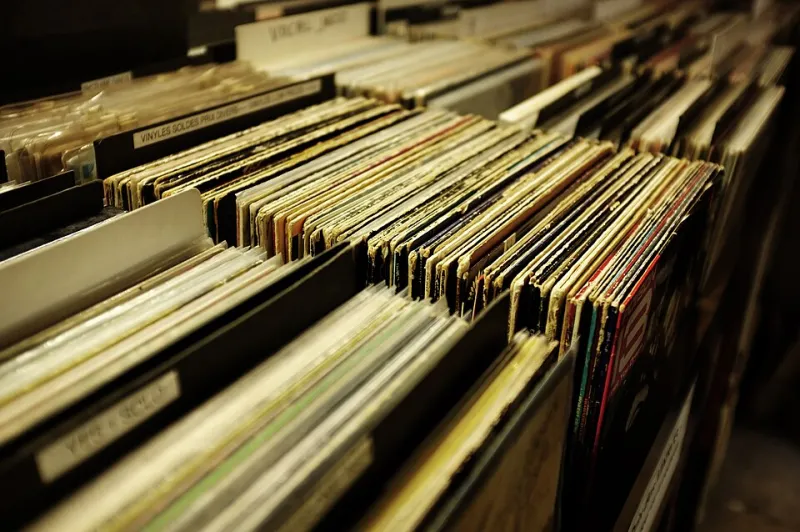
Photo: Mr Cup / Fabien Barral iammrcup, CC0, via Wikimedia Commons
There's something proper satisfying about a 45 box. Not a shelf, not a display cabinet — a box. The kind you can lug to a mate's gaff, flip through at 2am, and pull out a dubplate-pressed beauty that no streaming algorithm will ever serve you. But every serious box started the same way: one record, bought on a whim, with no idea what came next.
If you've been inspired by the likes of Steppa45 and want to start your own collection, here's the honest, no-fluff route from empty box to enviable crate.
Start With the Music You Actually Play
Tempting as it is to chase grails straight away, don't. Your first ten records should be tunes you'd genuinely drop in a set or stick on at home. UK bass, jungle, dubstep, garage — whatever floats your boat, buy the records you love first and the collection will build its own identity.
A good rule of thumb: if you wouldn't pay £5 for the digital download, think twice about the vinyl. The 45 format rewards music you'll return to again and again, not filler bought for the sake of it.
Where to Dig in the UK
You're spoiled for choice, honestly. A few tried-and-tested hunting grounds:
- Local independent shops — Every city worth its salt has one. Manchester, Bristol, Leeds, Glasgow — all proper digging territory. Staff recommendations are gold dust.
- Record fairs — Cheap entry, haggling encouraged, and often the best place to find under-the-radar white labels.
- Discogs — The backbone of any collection. Great for filling gaps, but watch the postage — a £4 record can become £9 quickly.
- Car boot sales — The wild west. Mostly ropey, but every so often you'll find a box of old school jungle 45s for pennies. Proper buzz when it happens.
- Bandcamp and small label drops — Many UK bass labels press runs of 300 or fewer. Follow them on socials and move fast when pre-orders go live.
Spotting a Quality Pressing
Not all vinyl is created equal, and this matters more on 45s than most formats. A few things to check before handing over your cash:
Weight and feel. A decent 45 should feel substantial in the hand. Flimsy pressings often mean cheap production and noisy playback.
The centre hole. Sounds obvious, but check it's cleanly cut. A sloppy hole means the record will wobble on your deck.
Surface noise. If buying in person, ask to inspect the vinyl. Hold it up to the light — deep scratches are a no, light scuffs are usually fine.
Pressing info. Reissues are fine, but original pressings of UK bass classics hold their value better. Check the catalogue number and matrix codes if you're unsure.
What You Should Actually Be Paying
Let's talk money, because nobody else does honestly. New 45s from independent UK labels typically run £8–£12. Second-hand copies of well-known tunes can be anything from a fiver to silly money depending on rarity. Don't get sucked into FOMO pricing — if a record's suddenly £60 because a DJ played it on a TikTok, wait it out. The hype dies, the price usually follows.
Set yourself a monthly budget. Even £30 a month builds a serious box over a year — that's 25-30 records, which is enough to play a whole set from.
Storage Matters More Than You Think
Records warp. Especially 45s, which are thinner and more prone to bending if leaned on a radiator or left in a hot car. Get proper outer sleeves, store them upright (never stacked flat), and keep them away from direct sunlight. A simple Kallax-style unit does the job perfectly — no need for anything fancy.
The Long Game
Here's the thing nobody tells you: the collection builds itself once you're in the rhythm. One release leads to a label, a label leads to a back catalogue, a back catalogue leads to a rabbit hole of related artists and pressing plants and dubplate culture. Before you know it, you're the mate everyone asks to identify a tune.
Start small, dig deep, buy what you love. That's it. That's the whole secret.
Now go get yourself a box.