Louder Than Ever: The Unstoppable Rise of UK Bass in 2025
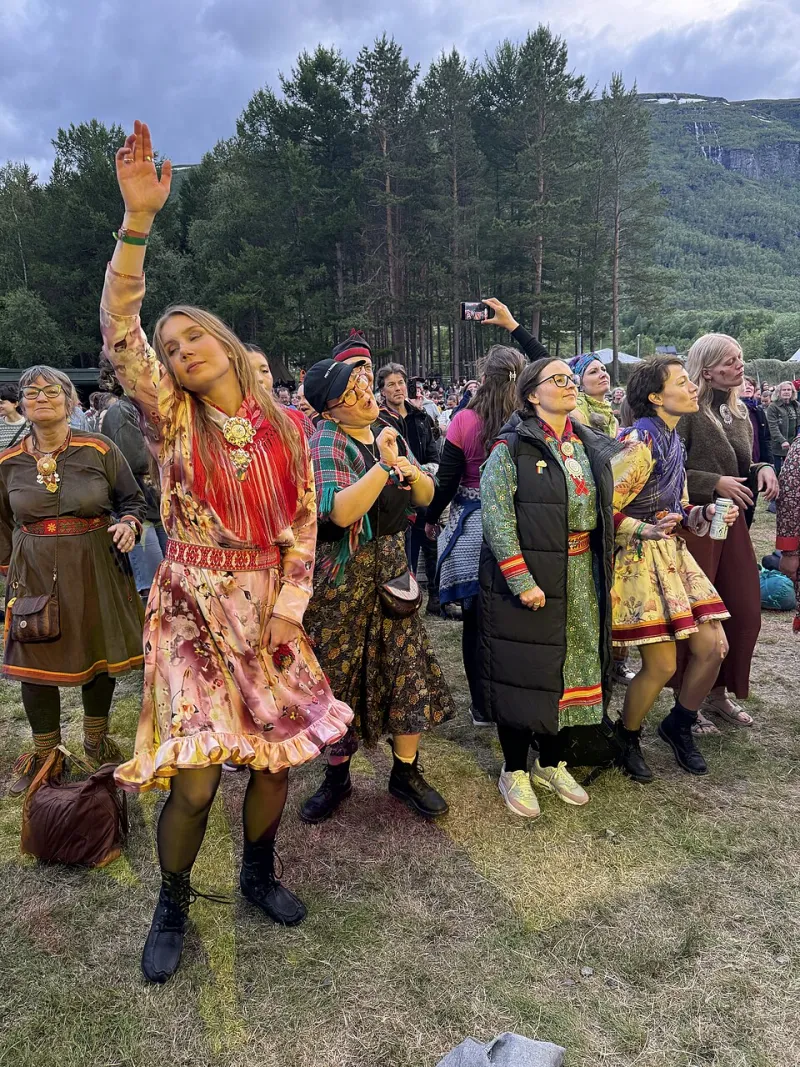
Photo: Jennifer 8. Lee, CC BY-SA 4.0, via Wikimedia Commons
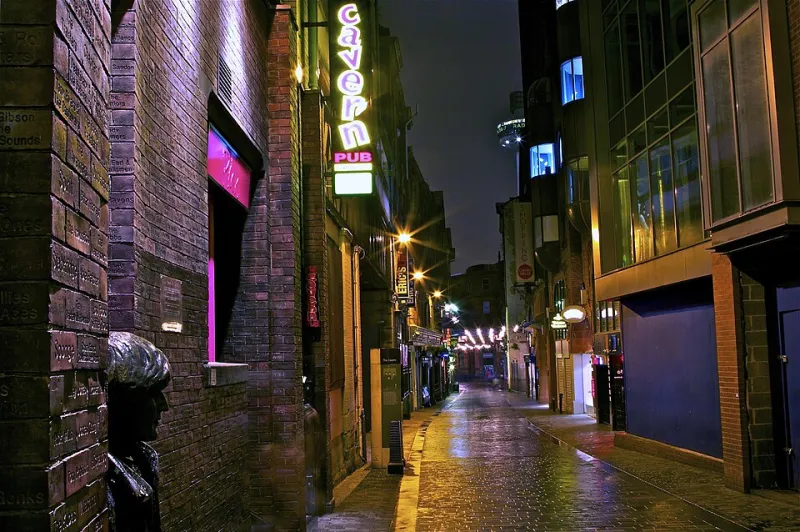
Something's shifted. If you've been anywhere near a dancefloor in the last eighteen months — whether that's a converted railway arch in Manchester, a festival tent at Glastonbury, or a sweaty basement in Glasgow — you'll have felt it. UK bass isn't just having a moment. It's having the moment. And honestly? It's been a long time coming.
The Convergence
Here's what makes this era different from the last big wave. Back in the early 2010s, UK bass music splintered. Dubstep went to America and came back barely recognisable. Jungle had its revivalist moment but stayed niche. Garage lived on in the memories of anyone who was there the first time round.
Now? Those walls are down. The best DJs in the game are flipping between 140 BPM dubstep, amen-break jungle, and 2-step garage within a single set — and the crowd doesn't blink. Producers are sampling the rolling sub-bass of classic dubstep, the breakbeat chaos of jungle, and the shuffling swing of UKG all in one track. It's not one genre anymore. It's a whole ecosystem, and it sounds unmistakably British.
From South London to the Main Stage
To understand how we got here, you've got to look at the roots. The sound system culture that birthed dubstep — the notting Hill carnivals, the Peckham blues dances, the Croydon record shops where a generation of producers learned their craft — never actually went away. It just went underground while the mainstream chased other sounds.
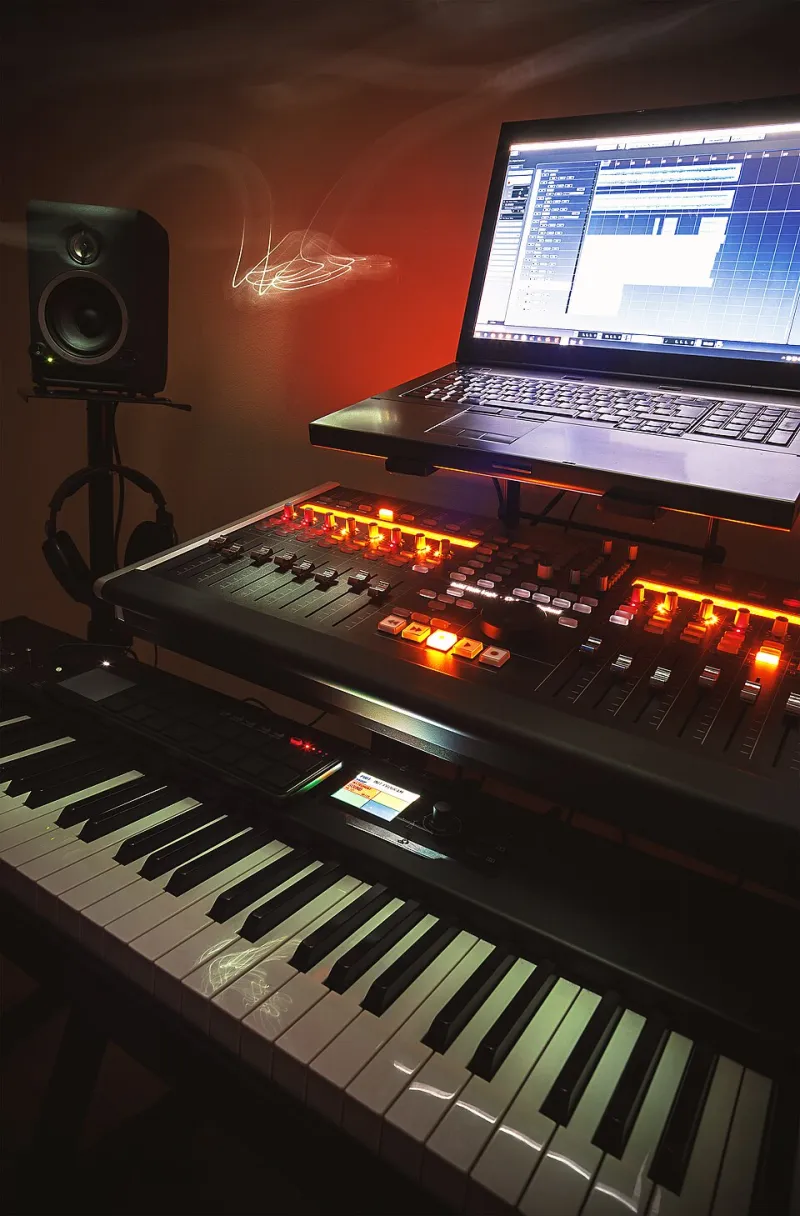
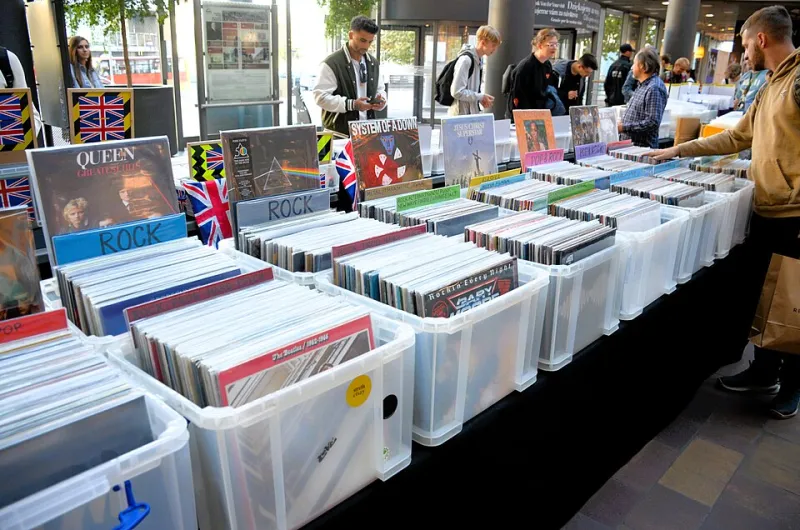
What's happened over the last decade is a slow, steady rebuild. Small nights in London, Bristol, and Leeds kept the flame burning. Vinyl-only labels pressed limited runs and built cult followings. Then, around 2020, something clicked. A new generation — raised on YouTube sets and SoundCloud rips — discovered the archive and started making their own version of it.
Fast forward to now, and you've got jungle and UKG acts playing main stages at festivals that wouldn't have touched this music five years ago. You've got dubstep producers selling out Brixton. You've got a whole new wave of club nights — from London to Leeds — doing numbers that would've seemed impossible in 2018.
Why Now?
A few things have converged. Nostalgia cycles play their part — the kids who grew up on the tail end of the first wave are now old enough to be running their own nights. Streaming and social media have made it easier than ever for regional sounds to cross over. And honestly, there's a mood. Post-pandemic, post-austerity, people want music with weight. Music that means something. Music you can feel in your chest.
There's also something to be said for authenticity. In an era where so much dance music feels manufactured for TikTok, UK bass has retained a rawness — a direct line to the sound systems, the pirate radio, the streets. That's not something you can fake.
Where Does It Go From Here?
The honest answer is: up, but carefully. The risk with any underground sound going mainstream is dilution — the bits that made it special getting sanded down for a bigger audience. We've seen it happen before.
But there's reason for optimism. The infrastructure is stronger this time. The DIY pipeline — self-releases, independent labels, grassroots club nights — means the scene isn't dependent on major label investment to survive. The community is tight, the standards are high, and the appetite is genuine.
What we'd like to see? More investment in grassroots venues, more support for regional scenes outside London, and continued space for the producers pushing the sound forward rather than just recycling it.
One thing's for certain though. UK bass isn't a phase. It's a lineage — and it's still writing its next chapter. Get down the front.