The Thrifty Raver's Guide to Bagging Cheap Bass Vinyl Across Britain
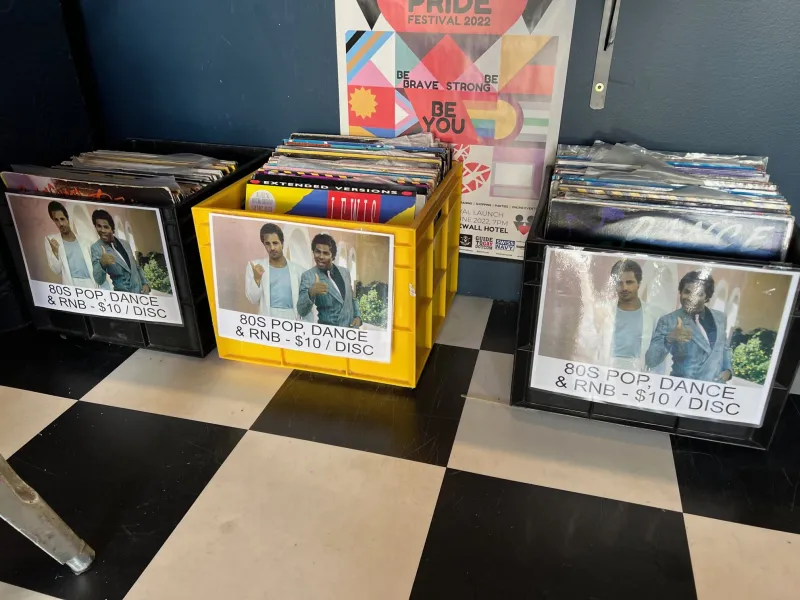
Photo: crate digging second hand vinyl records shop bargain bin, via images.squarespace-cdn.com
Vinyl collecting has a reputation problem. Scroll social media and you'd think every record worth owning costs three figures and comes sealed in a numbered box set. Rubbish. Some of the best bass music ever pressed — jungle white labels, dubstep one-siders, D&B promos — sits in bargain bins up and down the country, waiting for someone with patience and a clean stylus.
Here's how to hunt without emptying your wallet.
Know Your Price Points
First, a quick reality check on what things should cost second-hand:
- Generic jungle pressings (1993–96): £3–£10. There were thousands pressed; plenty survive.
- D&B promos and white labels: £5–£15, more if the label is collectible.
- Early dubstep (2002–2007): £10–£30. Small press runs mean prices climbed, but patient digging pays off.
- True grails: expensive, yes — but mispriced ones exist. More on that shortly.
Set yourself a ceiling before you walk in. £20 a visit keeps things fun rather than financially ruinous.
The Cities Worth a Day Trip
Manchester. The Northern Quarter remains the north's digging capital. Afflecks Palace has several stalls with second-hand dance 12s, and the surrounding shops regularly restock their cheap crates with estate sale collections. Budget a full afternoon.
London. Daunted by Soho prices? Head east and south instead. Deptford and Peckham charity shops occasionally yield 90s rave 12s for pennies, and the market stalls in Camden still hide drum & bass among the dad-rock.
Birmingham. The Digbeth area punches above its weight, and the city's reggae heritage means dub 45s turn up cheap — a bonus if you're building a sound system collection.
Glasgow. The west end's second-hand shops are criminally underpriced for dance music. Locals say the best stuff arrives midweek; go Thursday.
Leeds. A proper record fair calendar plus a student turnover that keeps collections flowing into the second-hand market. Cardigan Road charity shops have done damage to more than one of our bank balances.
Record Fairs: The Main Event
Fairs are where the real deals live. Sellers hate lugging unsold wax home, and by mid-afternoon that desperation becomes your discount. Arrive two or three hours before closing, be polite, and don't be afraid to make an offer on a stack — £40 for ten records they'd charge £60 for individually is a deal most dealers will shake on.
Bring cash. Plenty of dealers still prefer it, and it makes haggling smoother. Also bring a list of what you're hunting — fair floors are overwhelming, and aimless digging wastes your negotiating time.
Haggling Without Being That Guy
The unwritten rules:
- Buy in multiples. One record, full price. Five records, you've got leverage.
- **Point out flaws honestly." This sleeve's got a split — any movement on the price?" is fair. Being rude about condition is not.
- Know when to shut up. If they've met you halfway, take it.
- Be a regular. Dealers remember faces. Repeat customers get first dibs on new stock and quieter prices.
How to Spot a Mispriced Grail
This is where digging gets properly addictive. Charity shops and general second-hand shops often have no idea what they're holding. Watch for:
- Hand-stamped white labels. Many legendary dubstep and jungle releases only existed as stamps on plain labels. If you see a handwritten matrix number, look it up on your phone before paying £2 for what might be worth £100.
- Metalheadz, Moving Shadow, Suburban Base, Tempa: these labels command premiums. If you spot the logo in a £1 box, check it.
- Mis-shelved speed. Sometimes a 33-priced record is actually a 45 — and vice versa. Always check the run-out groove etchings.
- The 'wrong' genre pile. Dance records filed under "misc" or "electronic" are usually the cheapest section in any shop. That's where the bargains hide.
A quick Discogs search on your phone is standard practice and nobody will judge you. Well, they might, but they'd rather sell you the record.
Look After Your Haul
Cheap records often need a clean. A basic carbon brush and a bottle of cleaning fluid will transform most crackly purchases, and a proper spin-clean machine (£60-ish, or cheaper second-hand — obviously) pays for itself if you dig regularly. Check for deep scratches under bright light before buying; surface noise you can live with, skips you can't.
Last Orders
Building a bass collection on a budget is a marathon, not a haul. Ten quid a week, every week, and within a year you'll have a crate that tells a story — the Birmingham fair find, the Leeds charity shop steal, the white label you nearly left behind.
Now get out there. The £1 box won't dig itself.