No Label, No Problem: The New DIY Pipeline Powering UK Bass Producers

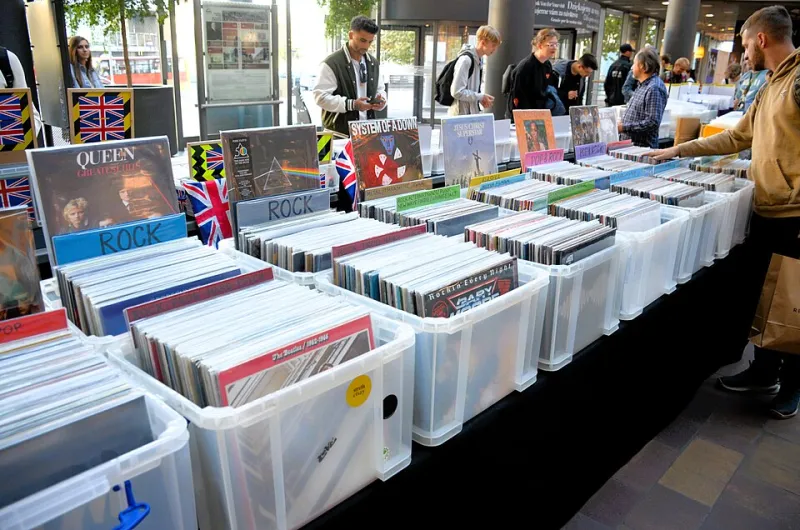
Photo: Dejan Krsmanovic, CC BY 2.0, via Wikimedia Commons
There was a time when breaking through in UK bass music meant one thing: getting signed. You'd burn a CD, badger an A&R person at a night in Dalston, and pray someone with a logo and a distribution deal took a shine to your dubplates. Fast forward to now, and the whole machinery looks completely different. The producers making the biggest waves in bass music right now are, more often than not, doing it entirely on their own terms — self-releasing, self-promoting, and self-funding every step of the way.
The Bandcamp Effect
Let's start with the obvious one. Bandcamp has quietly become the beating heart of independent UK bass. No gatekeepers, no six-month release schedules, no one telling you your intro is too long. You finish a tune on Friday, it's up by Sunday, and if it slaps, the scene finds it.
The numbers back it up too. Artists like Sully and Tim Reaper built serious momentum through self-releases and small-run vinyl before any major label came sniffing around. Limited pressings of 300 copies sell out in minutes. Producers like Barker & Snookett and Manchester's own Interplanetary Criminal spent years releasing on their own terms — now they're headlining festivals. The point isn't that labels don't exist anymore. It's that you don't need one to get heard.
Upload, Tag, Repeat
Beyond the releases themselves, the mix upload has become the new demo tape. A well-timed 60-minute set dropped on SoundCloud or YouTube — think dark, rolling dubstep with a jungle cut halfway through — can rack up tens of thousands of plays without a single pound of promo spend.
The algorithm doesn't care about your label. It cares about whether people press play and stay. Producers who treat their uploads like content — consistent, regular, properly tagged, artwork that doesn't look like it was made in MS Paint — are building audiences faster than any PR campaign could manage.
The DIY Rave Circuit
Here's where it gets properly interesting. The pipeline doesn't stop at the internet. All across the UK, from squatted warehouses in Peckham to legal-but-rowy nights in Sheffield and Bristol, DIY rave culture is thriving. These nights aren't just parties — they're the new A&R.
Want to test your unreleased dubs? Play one. Want to build a following? Get a slot. Want to meet the people who'll eventually book you for their festival stage? You'll find them behind the decks at 2am, not in a boardroom.
Practical Steps for the Bedroom Producer
So you've got a laptop, a pair of monitors, and a folder full of unfinished ideas. Where do you actually start?
1. Release early, release often. Don't sit on tunes waiting for perfection. The scene moves fast — if a track's good, put it out.
2. Build a coherent identity. Whether it's a sound, a visual aesthetic, or a whole vibe, people need to know what they're getting when they see your name.
3. Play out, even for free. A 30-minute warm-up slot at a small night is worth more than a thousand likes. Get in the room.
4. Support the scene you want to be part of. Buy the records, go to the nights, big up the artists. The UK bass community is small and tight-knit — reputation travels.
5. Own your masters. If you do eventually get label interest, go in knowing what your music is worth. The DIY route gives you leverage you didn't have ten years ago.
The Bigger Picture
What's happening right now isn't a trend — it's a structural shift. Distribution is free, promotion is democratised, and the audience is actively looking for something that feels authentic rather than focus-grouped. The producers winning right now aren't the ones with the best connections. They're the ones with the best tunes and the guts to put them out.
The bedroom studio has always been where UK bass music lives. The difference now is that the bedroom has a direct line to the world — and no one's asking permission.