Three Copies, One System: Who Really Pays for the Dubplates Running UK Bass

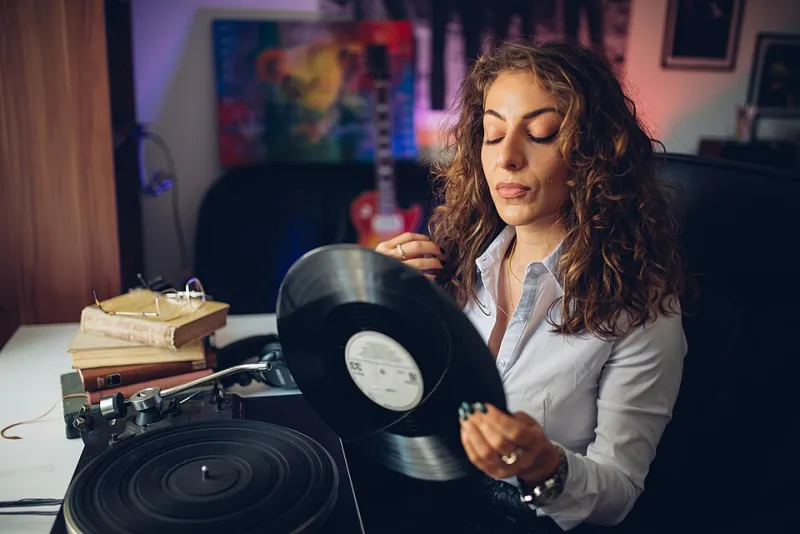
Photo: Quota International, CC BY-SA 3.0, via Wikimedia Commons
There's a moment at every decent bass night — you know the one. The DJ leans down to the booth, drops the needle on a record with no label, no artwork, nothing but a scribbled title in biro. The intro hits and the crowd makes that noise. Not a cheer, not a scream — a kind of collective what the hell is this?
That's a dubplate doing its job. And behind that one moment sits an economy nobody talks about openly.
No Label, No Rules
At its simplest, a dubplate is an unreleased track pressed onto vinyl — usually a one-off, sometimes a handful of copies. The tradition comes out of Jamaican sound system culture, where producers would cut exclusive versions for rival sounds to clash with. When that culture crossed the Atlantic and landed in the UK, it took root everywhere from reggae dances in Brixton to jungle raves in Coventry to the dubstep rooms of East London.
The mechanics haven't changed much. A producer sends a file. A mastering engineer cuts it to lacquer or dubplate stock. A DJ walks away with a record that maybe three other people on Earth own.
What has changed is the money.
What's It Worth, Then?
Ask five people what a dubplate costs and you'll get five different numbers, which is exactly how the people involved like it. But talk long enough to the right heads and a rough picture emerges.
A basic cut from a newcomer producer to a small-time DJ might change hands for the cost of the pressing and a beer — £30, £40, maybe nothing at all if there's a relationship there. Move up the ladder and things get murkier. A producer with a name can charge serious money for an exclusive, particularly if the DJ asking is playing festival stages. We heard figures ranging from £150 for a one-off cut from a mid-tier producer to well over £1,000 for a guaranteed exclusive from someone whose unreleased material genuinely moves the needle.
"People assume there's a price list. There isn't," one dubplate broker told us, speaking on condition of anonymity because — and this is the key thing — discretion is the product. "It's reputation. If I tell you what someone paid for that tune, I'm finished. Simple as that."
The Middlemen You've Never Heard Of
That's where the brokers come in. Every scene has them — the connectors who know which producer has unreleased dubs sitting in a folder, and which DJ is desperate for something no one else has. They don't advertise. They don't have websites. They exist in WhatsApp groups and DMs and the smoking area at 1am.
A good broker does more than pass files around. They manage egos, negotiate terms, and crucially, protect both sides. The producer wants to know their tune won't end up ripped and on a streaming site by the weekend. The DJ wants to know they're not paying over the odds because the last three people they asked said no.
"My job is making sure nobody feels mugged off," the broker told us. "Producer gets paid fairly, DJ gets something special, and the tune stays special. The moment a dubplate ends up on a meme page, everyone loses."
Why Bother in the Age of Streaming?
On paper, this whole economy should have died years ago. Any track can be distributed globally in seconds. Why would anyone pay three figures for a piece of plastic with a track that officially doesn't exist?
Because scarcity is the point.
A DJ who opens with a dub nobody's heard isn't just playing a song — they're making a statement. It says: I've got connects. I'm ahead of you. This moment belongs to this room, tonight, and you can't Shazam your way into it. In a scene where sets get recorded and uploaded within hours, genuine exclusivity is the last real currency.
For producers, meanwhile, dubplates are a strange kind of venture capital. Cutting exclusives for established DJs builds relationships, gets your sound tested on proper systems, and — if the tune goes off — creates demand before you've even announced a release. Several producers we spoke to treat the dub circuit as an extended A&R process run by the dance itself.
"If a tune works on a proper rig in front of a proper crowd, I know more than any analytics dashboard will ever tell me," one Bristol-based producer said. "The dubplate is the demo."
The Ethical Grey Zone
It's not all romance, mind. The dubplate economy operates entirely on trust, and trust gets tested. Producers have been stiffed on payments. DJs have had exclusives quietly sold to someone else. And there's a growing unease about the tiered system it creates — nights where the big names play tunes the smaller DJs literally cannot buy at any price, widening a gap that streaming was supposed to close.
There's also the question of credit. When a dubplate finally gets an official release — sometimes years later — the DJs who broke it rarely get a mention. The tune gets remembered; the person who risked it first doesn't.
"That's the deal you sign up for," the broker shrugged. "You're buying the moment, not the credit. If you need your name on it, put your own tunes out."
Keep It Moving
Will the dubplate economy survive another decade of streaming, AI mastering and instant distribution? Almost certainly — because it was never really about the vinyl. It's about the handshake, the favour, the secret. As long as bass music runs on trust and exclusivity, someone, somewhere, will be cutting a one-off for a DJ who'll drop it once and never speak of it again.
And the rest of us will just have to stand in the crowd, hear something we can't find anywhere, and make that noise.
You know the one.