Why 45 RPM Runs the Game: The Speed That Shaped Bass Music
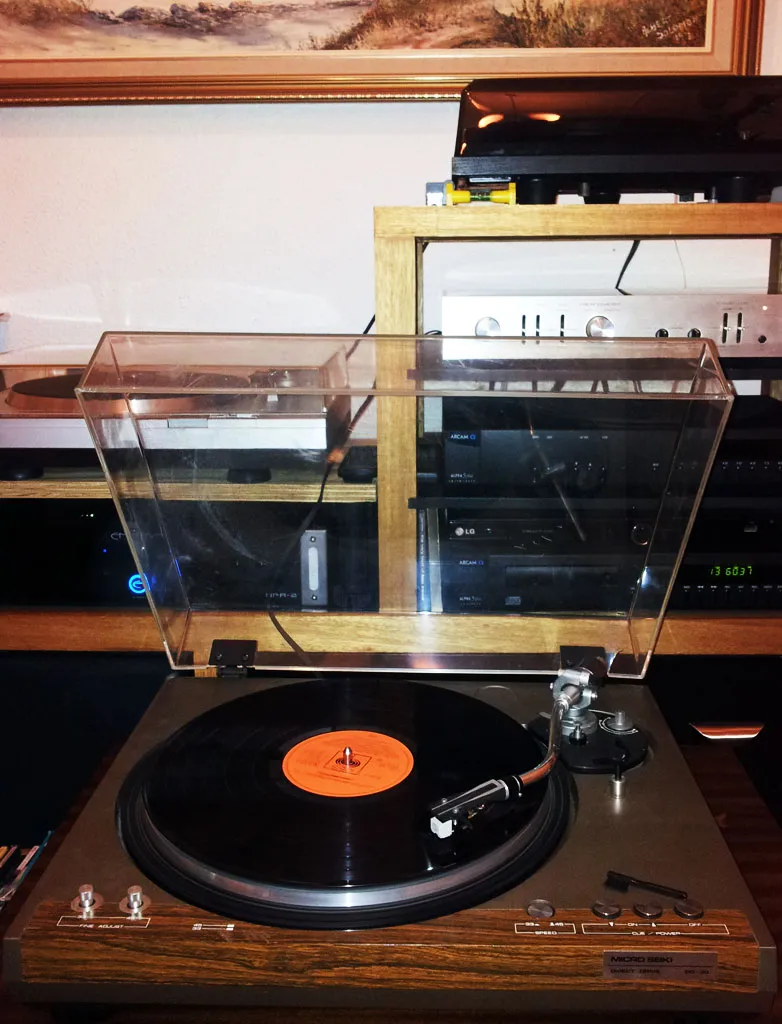
Photo: Jacques from Cape Town, South Africa, CC BY 2.0, via Wikimedia Commons
Stick a 7-inch on your deck and you've got two choices: 33 or 45. For the vast majority of records, 33 does the job fine. But for bass music — dub, steppers, jungle, dubstep — there's only one answer. 45 RPM isn't just a setting. It's a statement.
From Kingston With a Riddim
The story starts in Jamaica, where the sound system was everything. Operators like Duke Reid and King Tubby built their reputations on exclusive cuts — dubplates — pressed onto 7-inch vinyl and spun at 45 RPM. Why? Because spinning faster gave the music more punch. Tighter grooves, sharper transients, and crucially, more room on the platter for the low end to breathe.
When the Windrush generation carried sound system culture to the UK, the 45 came with it. Notting Hill Carnival, blues parties in Brixton, shebeens in Handsworth — the faster speed became the backbone of British reggae and, eventually, everything that grew out of it. Jungle, garage, grime, dubstep: they all inherited the DNA.
The Science Bit (Sort Of)
There's actual physics behind the obsession. At 45 RPM, the stylus passes over the groove quicker, which means the cutting lathe can carve louder, wider grooves without the needle losing contact. More velocity equals more headroom for bass. At 33, you're trading low-end authority for extra playing time — a compromise no self-respecting sound system would ever make.
As one veteran cutter put it to us: "Nobody ever rewound a tune because it sounded too heavy." Exactly.
We Asked the Producers
We caught up with a few heads still cutting at 45 to find out why they bother in a streaming world.
Marcus, Bristol-based dub producer: "When I get a test pressing back and drop it on the deck at 45, that's the moment the tune is real. You can't replicate that thump with a WAV file. The speed is part of the master — I mix everything with the 45 playback in mind."
Sasha, jungle producer out of Leeds: "Amen breaks just sit different at 45. The whole hardcore lineage was built on pitch-up breaks, and cutting at 45 keeps that energy in the physical format too. Plus, dubplates for the rave? Always 45. Always."
Dee, steppers specialist from Birmingham: "For sound clashes, 45 is non-negotiable. You're competing with other systems — you need every decibel you can get. A 33 cut would get you laughed out of the dance."
The Modern Dubplate Economy
Cutting houses across the UK — from London to Glasgow — are busier than they've been in years. Lathe operators who once feared extinction are now booked out weeks in advance, as a new generation discovers the ritual of the one-off pressing. Producers cut tunes for raves, for clashes, for their mates' birthdays. Some never make it past that single acetate.
There's something beautifully anti-algorithmic about it. No streaming stats, no playlist placement — just a tune, a piece of wax, and a room full of people losing it.
The Essential Steppers Playlist
Want to hear what 45 can do? Dig for these:
- King Tubby – " Invasion Dub" — the blueprint for space and bass
- Scientist – "Scientist Meets the Space Invaders" cuts — steppers rhythm at its finest
- Digital – "Dub War" — jungle built directly on sound system foundations
- Benga & Skream – "The Judgement" — Croydon dubstep, cut loud and proud
- Iration Steppas – "Scud Riddim" — Leeds roots royalty, 45 through and through
- Mala – "Lean Forward" — deep dubstep with pure sound system weight
Keep It Spinning
45 RPM isn't nostalgia. It's a living tradition — a physical link between Kingston in the '60s and a warehouse in Peckham last Saturday. Next time you're at a rave and the low end rattles your ribs, spare a thought for the little 7-inch spinning faster than it needs to.
It doesn't need to. It wants to.